

Hear from our editors: The best balance transfer cards of April 2026
Updated March 31, 2026
This date may not reflect recent changes in individual terms.
Editorial Note: Intuit Credit Karma receives compensation from third-party advertisers, but that doesn’t affect our editors’ opinions. Our third-party advertisers don’t review, approve or endorse our editorial content. Information about financial products not offered on Credit Karma is collected independently. Our content is accurate to the best of our knowledge when posted.
Louis DeNicola is a personal finance writer and has written for American Express and Discover.
Written by: Louis DeNicola
Edited by: Claire Diver, Senior Editor, Credit Cards
Key Takeaway: The best balance transfer cards offer a long introductory APR period, low upfront fees and clear terms that make it easy to consolidate and manage debt payments.
Do you carry a balance on your credit cards? If you do, how much interest are you paying?
Rather than pay interest on your credit card debt or juggle multiple payments each month, you may be able to transfer high-interest debt to a single credit card by doing a balance transfer.
Here are our choices for the best balance transfer cards.
- Best for long 0% intro APR: Wells Fargo Reflect® Card
- Best for a long 0% intro APR: U.S. Bank Shield™ Visa® Card
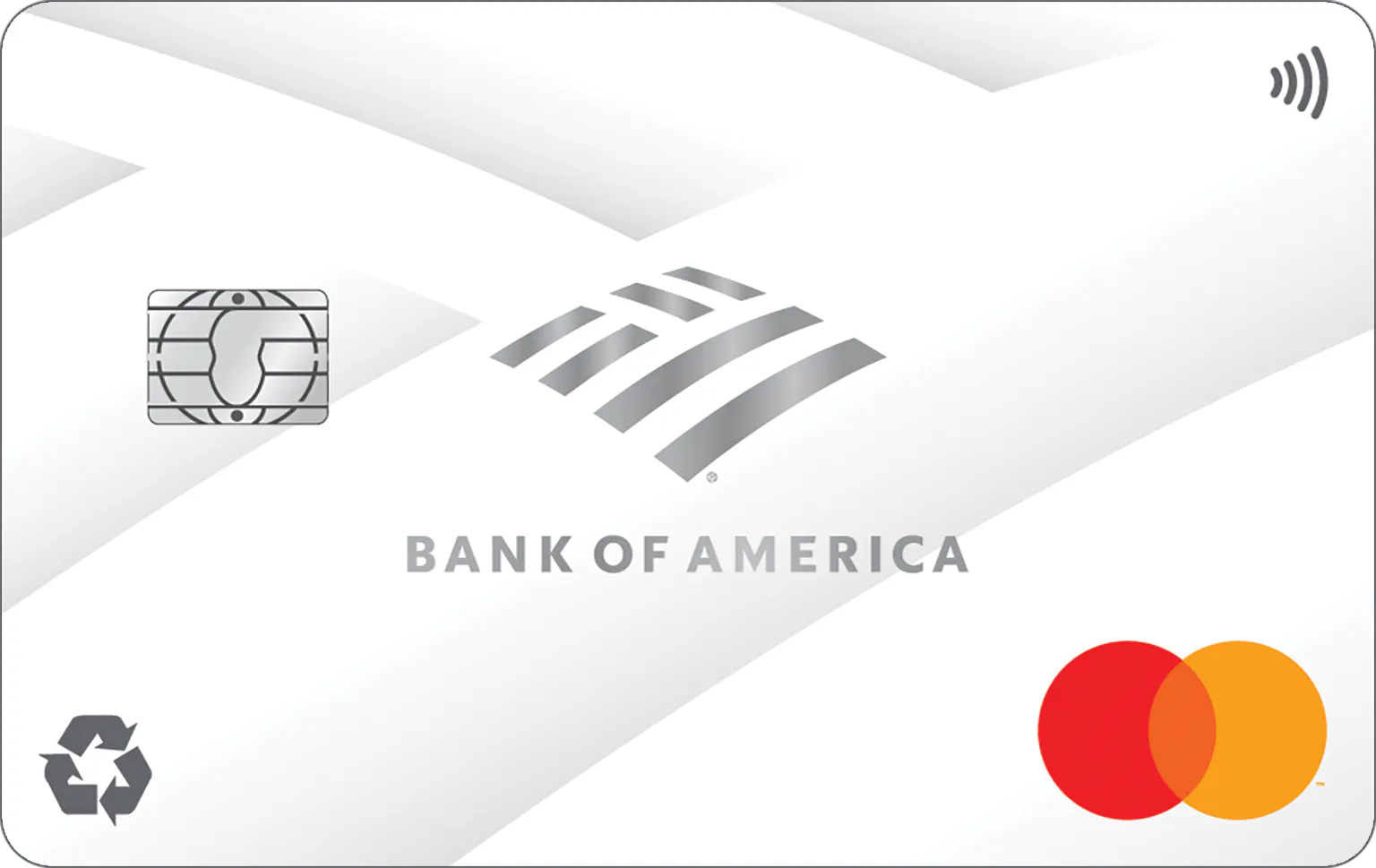
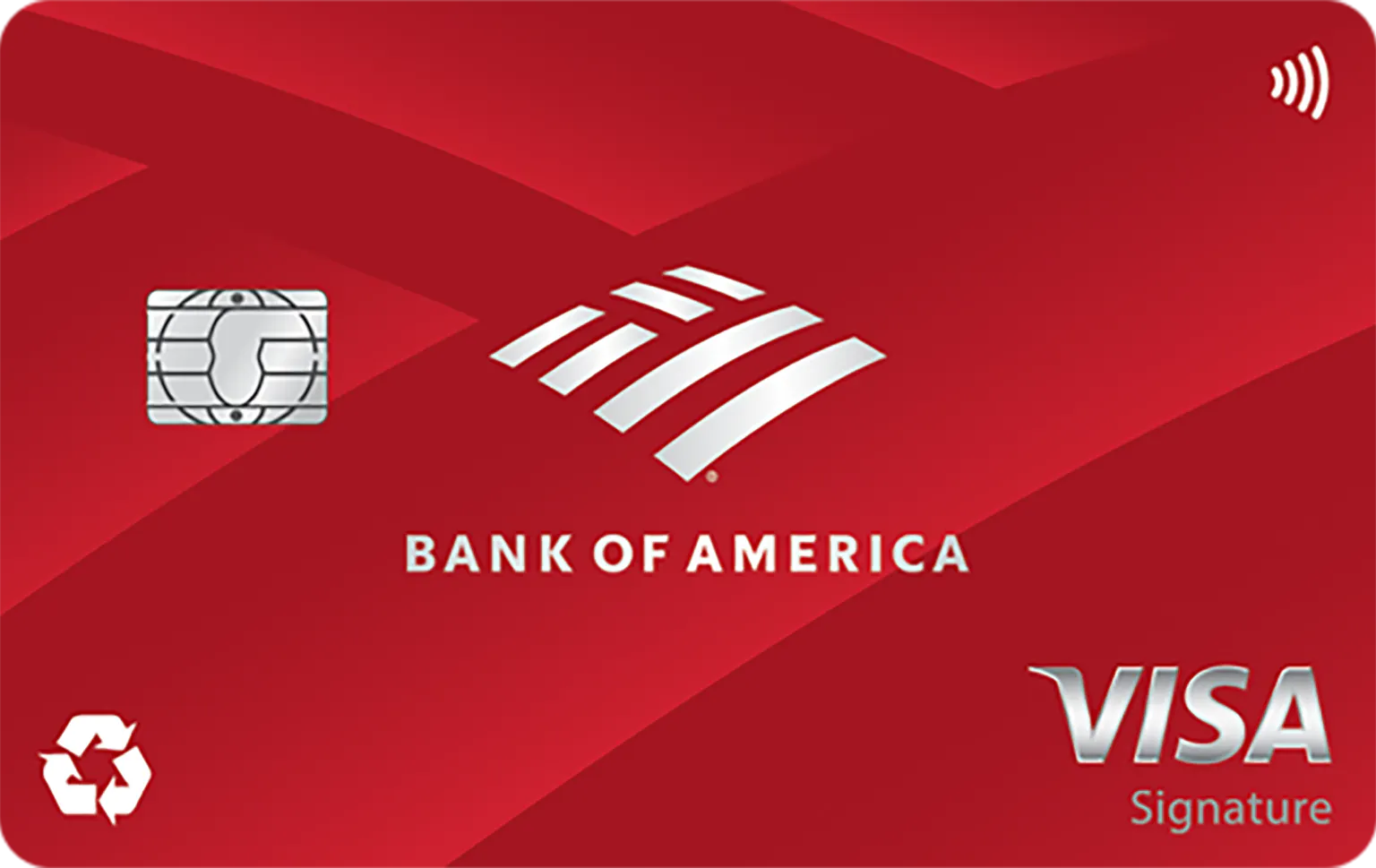
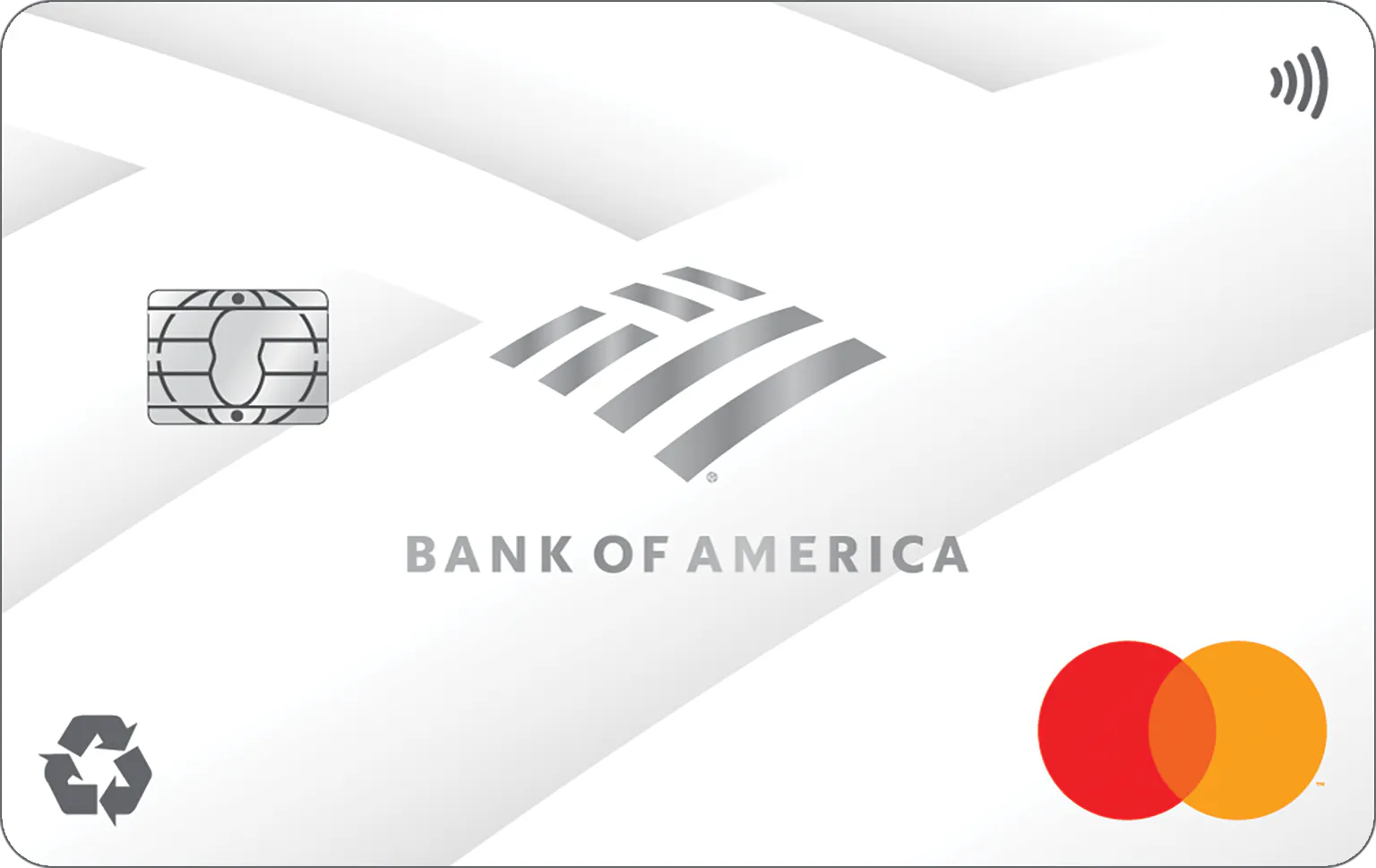
- Best for long 0% intro APR: BankAmericard® credit card
- Best for people who might forget to pay back in time: Citi Simplicity® Card
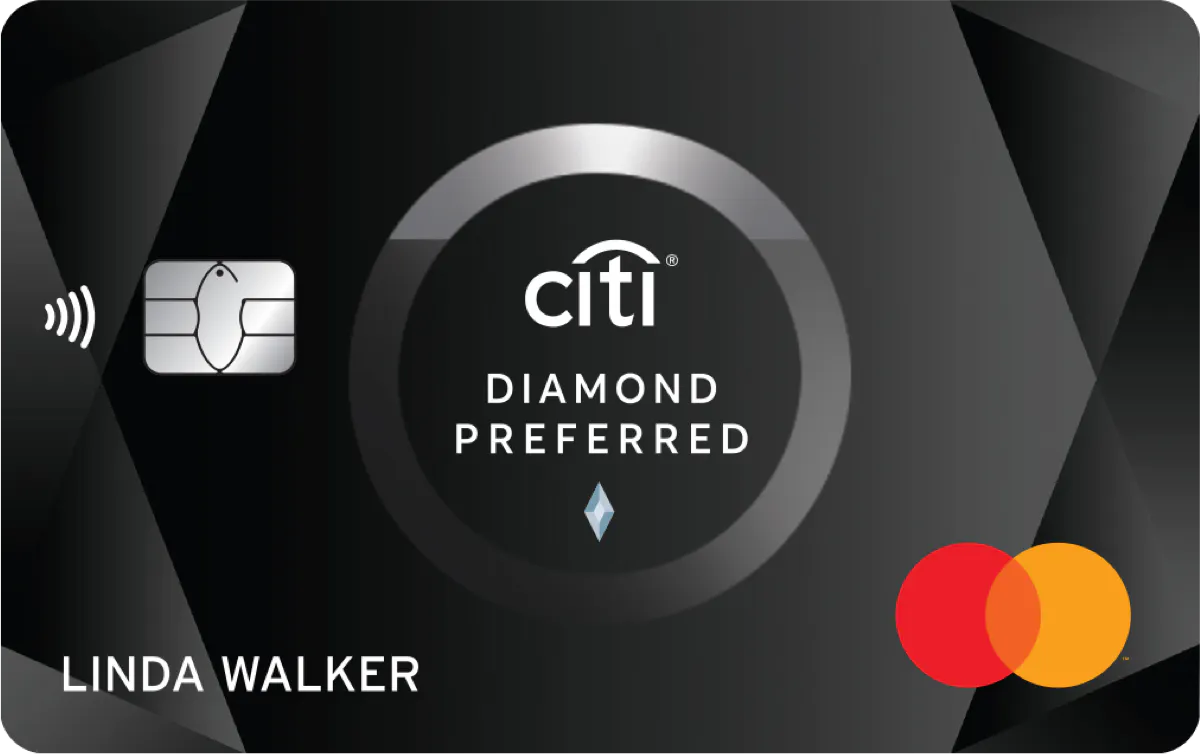
- Best for time to transfer your balances: Citi® Diamond Preferred® Card
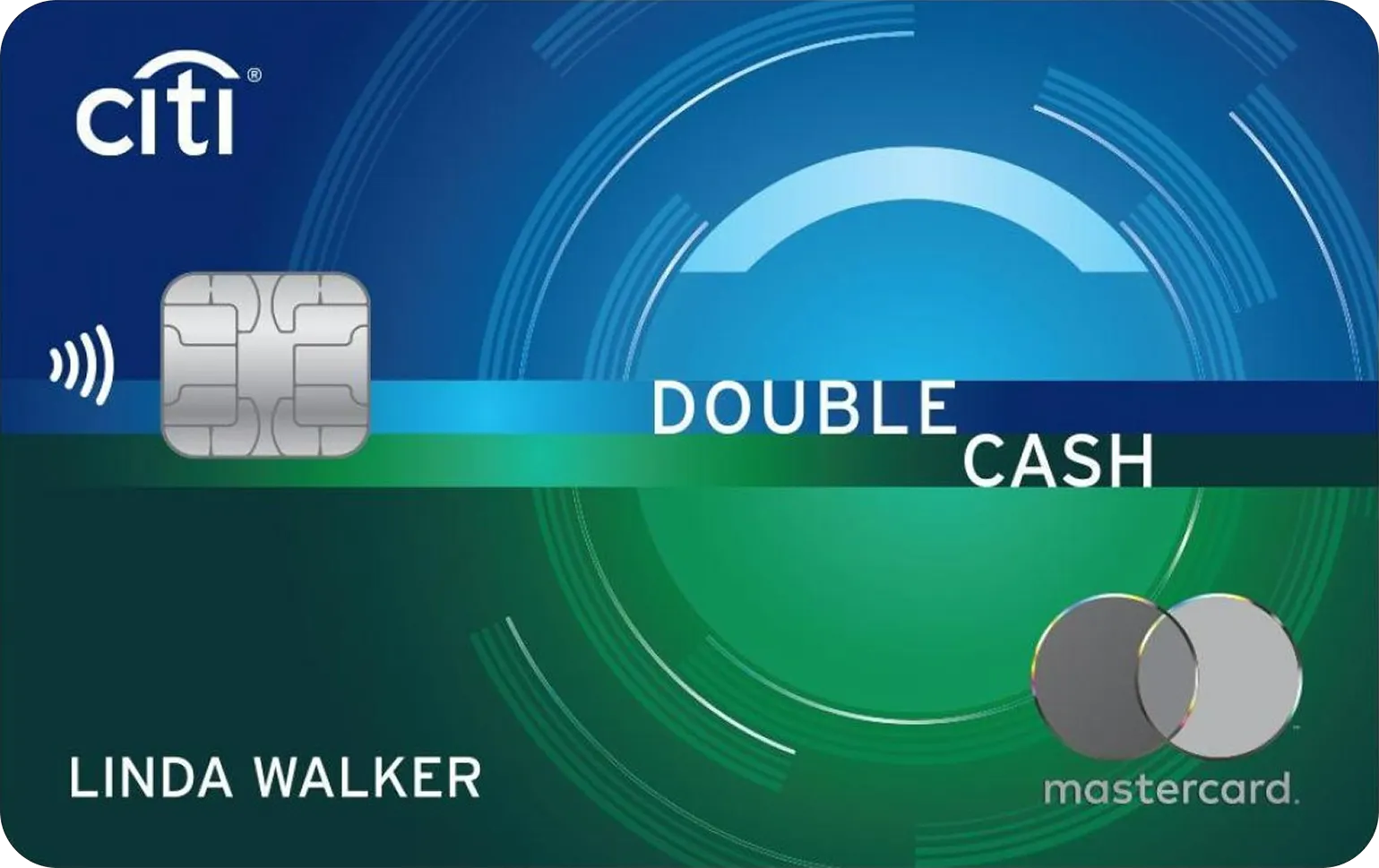
- Best for simple cash back: Citi Double Cash® Card
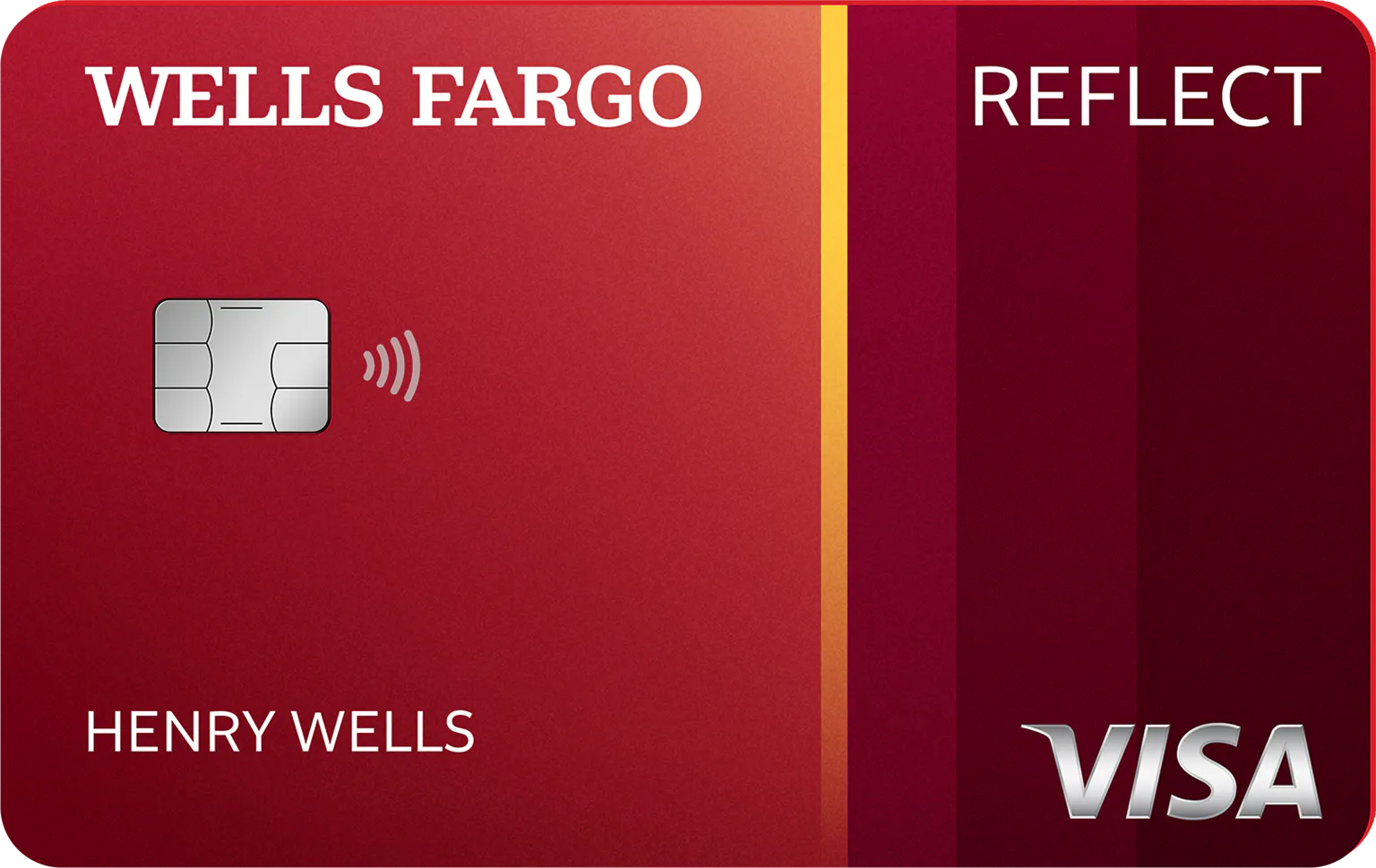
Best for long 0% intro APR: Wells Fargo Reflect® Card
Here’s why: This card offers one of the longest 0% intro APR periods you’ll see for a balance transfer card.
The Wells Fargo Reflect® Card features a 0% introductory APR for 21 months on both purchases and balance transfers made within 120 days of account opening. After that, the purchase and balance transfer APRs rise to a variable 17.49%, 23.99%, 28.24%. There’s also a balance transfer fee of 5% (minimum $5).
Learn more about the Wells Fargo Reflect® Card.
Best for long 0% intro APR: U.S. Bank Shield™ Visa® Card
Here’s why: This card has one of the longest 0% intro APR periods available.
The U.S. Bank Shield™ Visa® Card has a 0% intro APR on purchases and balance transfers for 21 billing cycles after account opening. To qualify for the intro rate, you must transfer your balance within 60 days of account opening. There’s a balance transfer fee: Either 5% of the amount of each transfer or $5 minimum, whichever is greater. After the intro period is over, the regular variable APR for purchases and balance transfers rises to 16.99% - 27.99%.
Best for a long 0% intro APR: BankAmericard® credit card
Here’s why: This card offers a long 0% intro APR period, plus a relatively lower balance transfer fee.
The BankAmericard® credit card offers a 0% introductory APR for 21 billing cycles on purchases and balance transfers made within the first 60 days of opening your account. After the end of that period, both variable APRs rise to 14.99% - 25.99%. There’s also a balance transfer fee of 5% of the amount of each transaction.
Read more about the BankAmericard® credit card.
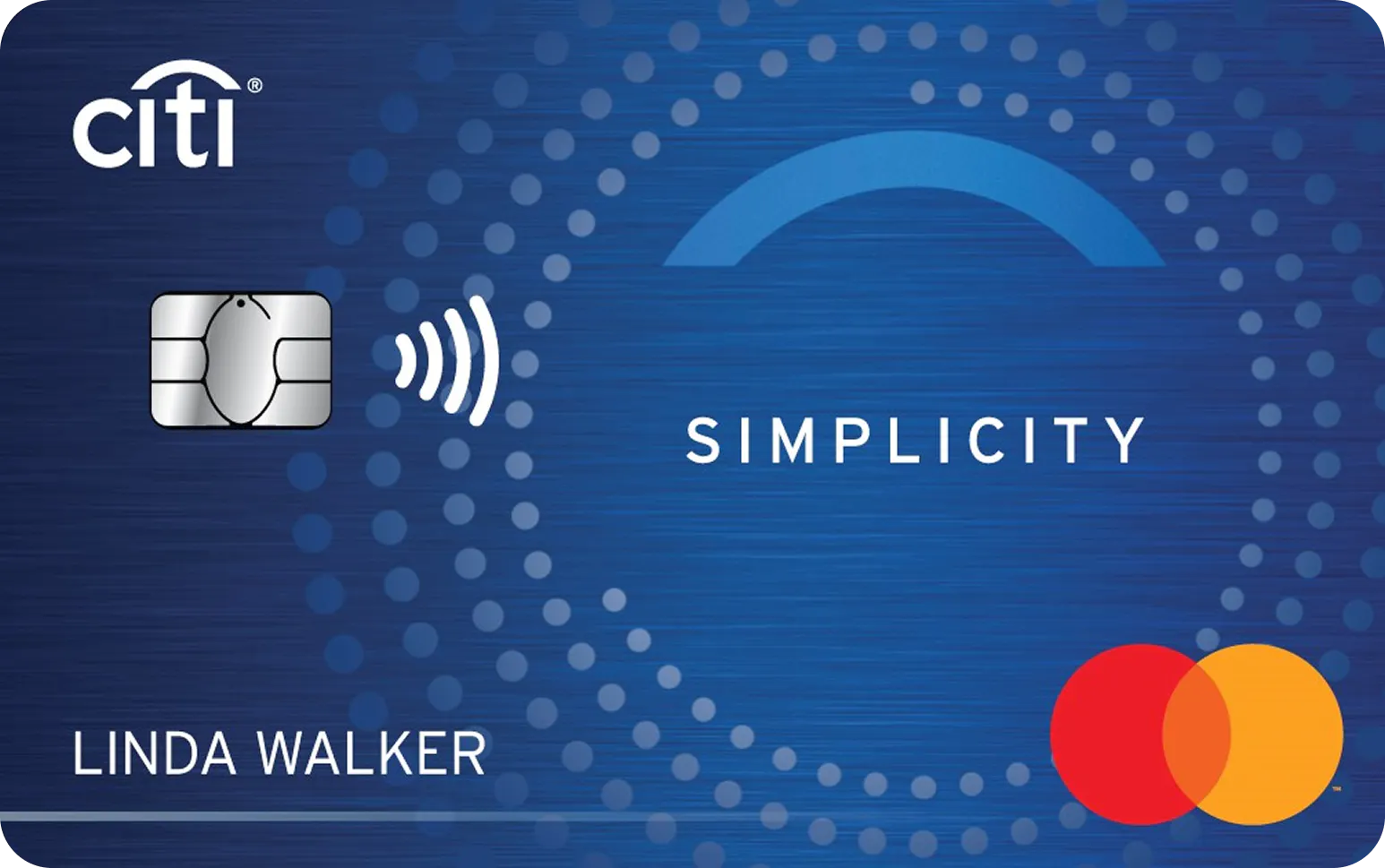
Best for people who might forget to pay back in time: Citi Simplicity® Card
Here’s why: The Citi Simplicity® Card combines low intro APR offers with no late fees or penalty APR if you pay late.
While it’s a good idea to pay on time, this can be a helpful safety net for busy people who are prone to forget their due dates from time to time. Keep in mind that even though this card doesn’t have late fees or a penalty APR, you may still have a late payment reported on your credit if you’re 30 days or more late on your payments.
You’ll also get an intro 0% APR on purchases and balance transfers for 18 months from date of account opening (you may see different offers on Credit Karma). There are a few things to know before you apply for this card, though.
- Once those two introductory windows are up, you’ll be charged a variable APR of 17.49% - 28.24% on both purchases and balance transfers.
- To qualify for the low balance transfer rate, you must complete your transfers within four months of your account opening.
- You’ll be charged to transfer a balance. The Citi Simplicity® Card has a balance transfer fee: Intro fee 3% of each transfer ($5 minimum) completed within the first 4 months of account opening. After that, 5% of each transfer ($5 minimum).
Learn more about the Citi Simplicity® Card.
Best for time to transfer your balances: Citi® Diamond Preferred® Card
Here’s why: The no-frills Citi® Diamond Preferred® Card gives you more time to get all the paperwork in order for your balance transfers.
The Citi® Diamond Preferred® Card comes with a 0% intro APR on balance transfers for 21 months from date of account opening for balance transfers completed within the first four months of your account opening.
At the same time, you’ll receive a 0% intro APR on purchases for the first 12 months from date of account opening. After the intro APRs expire, you’ll be charged variable rates from 16.49% - 27.24% (note that your purchase APR and balance transfer APR may be different).
Keep in mind that there’s a balance transfer fee: Intro fee 3% of each transfer ($5 minimum) completed within the first 4 months of account opening. After that, 5% of each transfer ($5 minimum).
Learn more about the Citi® Diamond Preferred® Card.
Best for simple cash back: Citi Double Cash® Card
Here’s why: The Citi Double Cash® Card has a good 2% cash back rate for when you want to start using the card for purchases: 1% cash back on every purchase, and another 1% cash back when you pay the bill for those purchases.
It also has an introductory 0% APR for 18 months from the date of the first transfer for balance transfers that are completed within four months of your account opening. But there’s a balance transfer fee: Intro fee 3% of each transfer ($5 minimum) completed within the first 4 months of account opening. After that, 5% of each transfer ($5 minimum). And once the intro 0% APR window is up, there’s a variable APR of 17.49% - 27.49% on balance transfers.
Also, there’s no promotional rate for purchases, and your purchase balance may start to accrue interest right away if you’re still paying off balance transfers (the card’s variable APR for purchases is 17.49% - 27.49%). We generally recommend not using the card for new purchases until you pay off your balance transfers.
Learn more about the Citi Double Cash® Card.
How to make the most of balance transfer cards
As with rewards cards and low-interest cards, it’s a good idea to compare balance transfer cards to determine which is best for your particular circumstances. If you don’t think you can pay off the debt quickly, a longer promotional period could be best. Or, you may want to try to save as much money as possible by avoiding balance transfer fees.
The right balance transfer card could help you save money while you pay down your debt, but even then it’s not a magic solution. Here are a few things you’ll want to watch out for, plus some tips for getting the most out of your card.
- Some balance transfer cards give you an introductory 0% interest rate on purchases, too, but this may not be the same length as the balance transfer intro period.
- You usually have to pay a fee to transfer your balance to your new card — typically 3% or 5% of your balance.
- Balance transfer cards may provide temporary relief from high interest rates, but they don’t make your debt disappear. If you’re approved for a transfer, you should make a plan for paying your debt down during the introductory APR period.
- A balance transfer calculator can help you estimate how much a particular balance transfer offer could save you.
- Depending on how much debt you’re carrying, you may not be able to transfer all of your debt, even if you’re approved for the card. How much you can transfer will probably be restricted to the credit limit you’re approved for. The card’s issuer may set a maximum transfer amount, too.
- You may need to have good or even excellent credit scores to qualify for a balance transfer card. If you’re still working on your overall credit, a card that can help you build credit may be a better fit for you.
As long as you’re aware of the potential pitfalls and have a plan, a balance transfer card could be a good option for you to help you consolidate and pay down debt.
How we picked these cards
We looked for cards that could help people who are currently in debt and plan to use a new balance transfer card to help them consolidate and pay down their debt. The length of the balance transfer introductory APR period and the balance transfer fee are two essential components, as a longer intro period and lower fees could help you pay off the balance before it starts to accrue interest.
We also considered other card fees, like annual fees, as these expenses could make it more difficult to pay off your debt. In fact, none of our picks for the best balance transfer cards charge an annual fee.
We didn’t consider sign-up bonuses, which can be more common with rewards cards than balance transfer cards.