

Hear from our editors: The best 0% APR credit cards of April 2026
Updated March 31, 2026
This date may not reflect recent changes in individual terms.
Editorial Note: Intuit Credit Karma receives compensation from third-party advertisers, but that doesn’t affect our editors’ opinions. Our third-party advertisers don’t review, approve or endorse our editorial content. Information about financial products not offered on Credit Karma is collected independently. Our content is accurate to the best of our knowledge when posted.
Written by: Eric Freeman, Editorial Lead, Credit Cards
Edited by: Claire Diver, Senior Editor, Credit Cards
The best 0% APR credit cards can help you finance expensive purchases, pay off existing debt and save on interest payments overall. While these cards can be complicated to manage, they can also be powerful tools in your credit journey.
Read on for our picks for the best 0% APR credit cards, which offer introductory annual percentage rates on purchases, balance transfers or both.
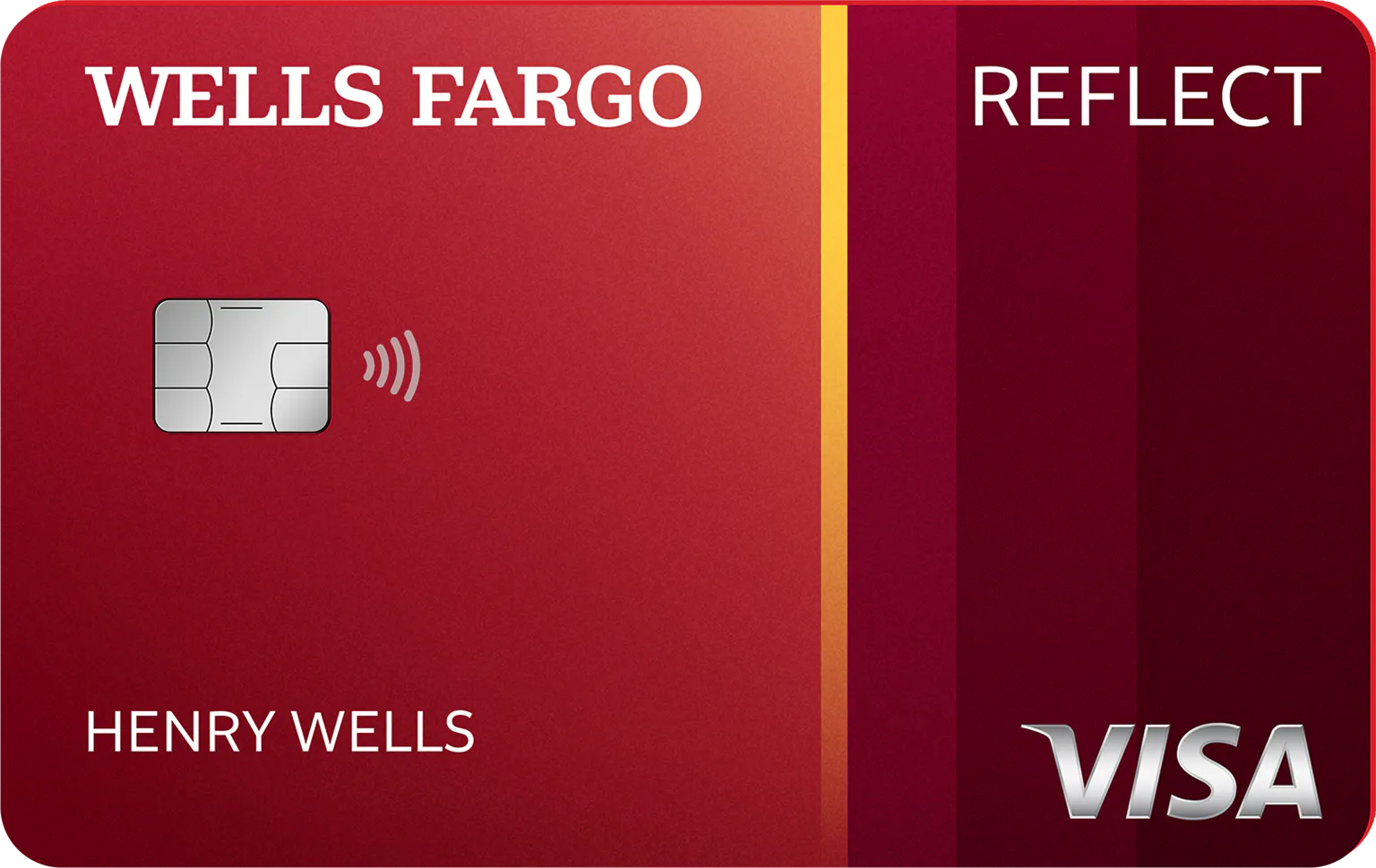
- Wells Fargo Reflect® Card: Best for a long intro period
- U.S. Bank Shield™ Visa® Card: Best for a long intro period
- BankAmericard® credit card: Best for a long intro period
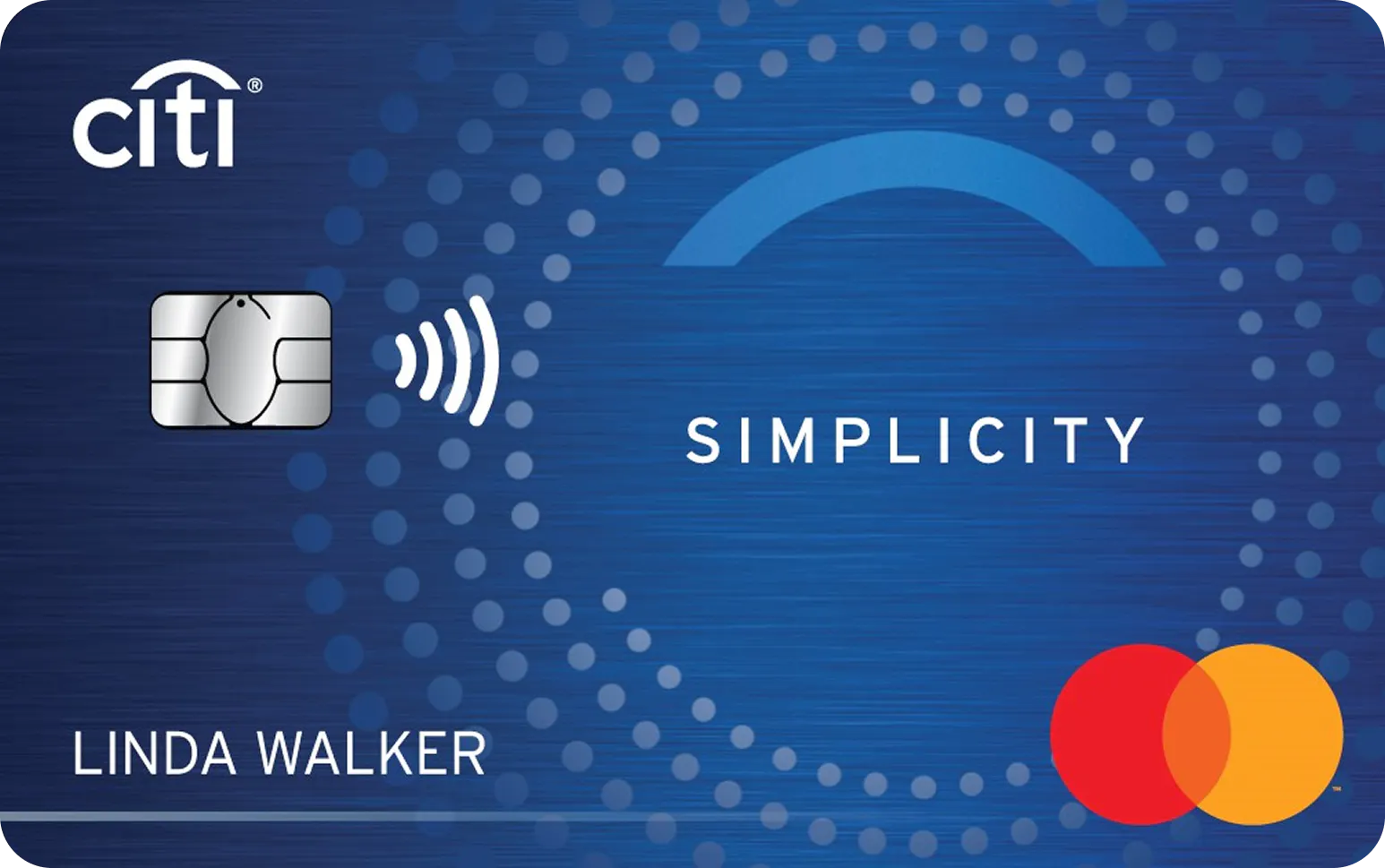
- Citi Simplicity® Card: Best for paying off debt
- Chase Freedom Unlimited®: Best for ongoing cash back
- Citi Double Cash® Card: Best for simple cash back
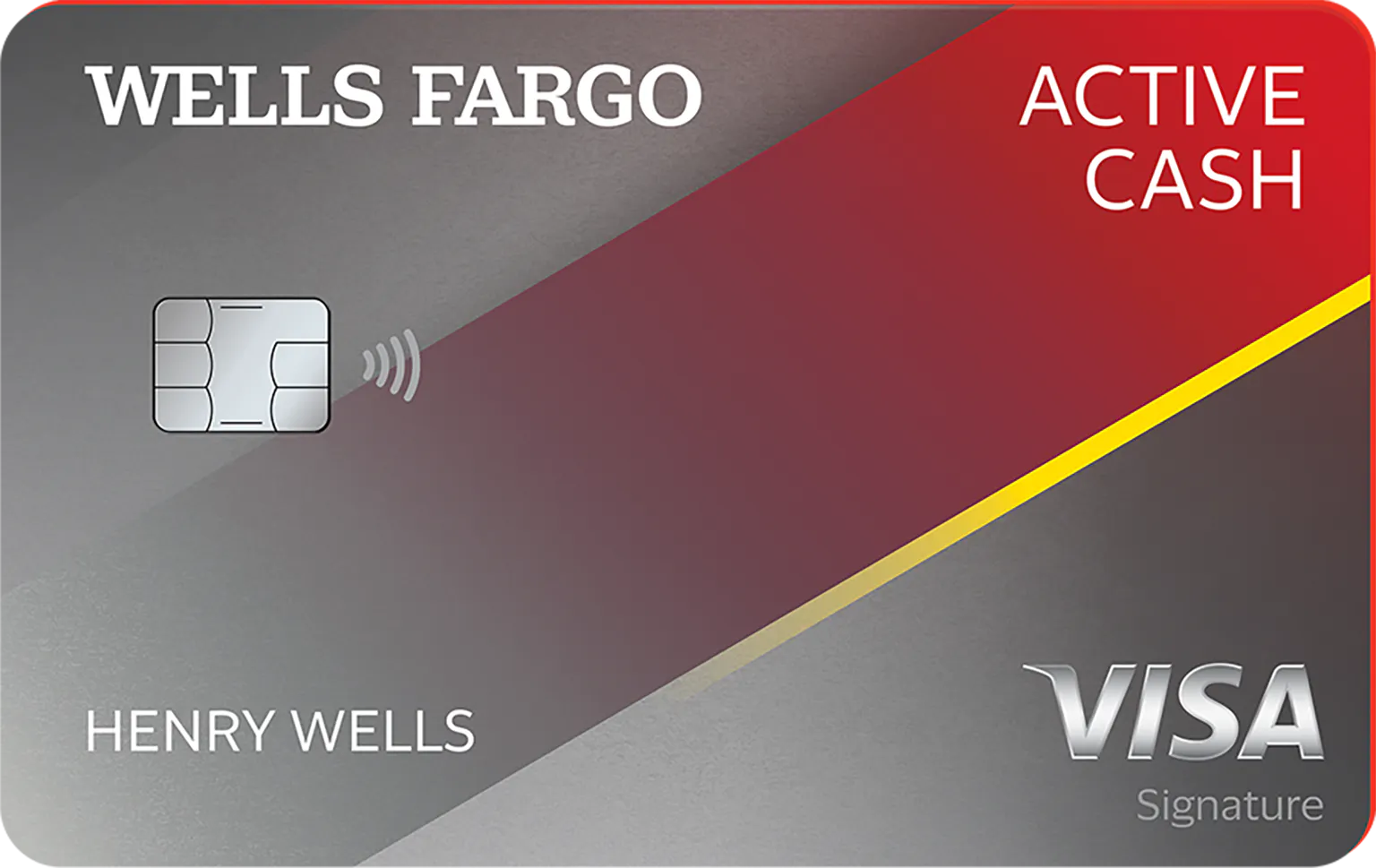
Wells Fargo Reflect® Card: Best for a long intro period
Here’s why: This card offers a 0% introductory APR for 21 months on purchases and balance transfers made in the first 120 days after your account opens.
After the 0% APR periods are up, you’ll see a variable APR for both purchases and balance transfers of 17.49%, 23.99%, 28.24%. This card has a balance transfer fee of 5% (minimum $5).
Check out more about Wells Fargo Reflect® Card.
U.S. Bank Shield™ Visa® Card: Best for a long intro period
Here’s why: The U.S. Bank Shield™ Visa® Card comes with a long 0% APR intro offer of 21 billing cycles on purchases and on balance transfers made within 60 days of account opening. Once the intro period ends, the regular variable APR for both purchases and balance transfers jumps to 16.99% - 27.99%. And there’s a balance transfer fee: Either 5% of the amount of each transfer or $5 minimum, whichever is greater.
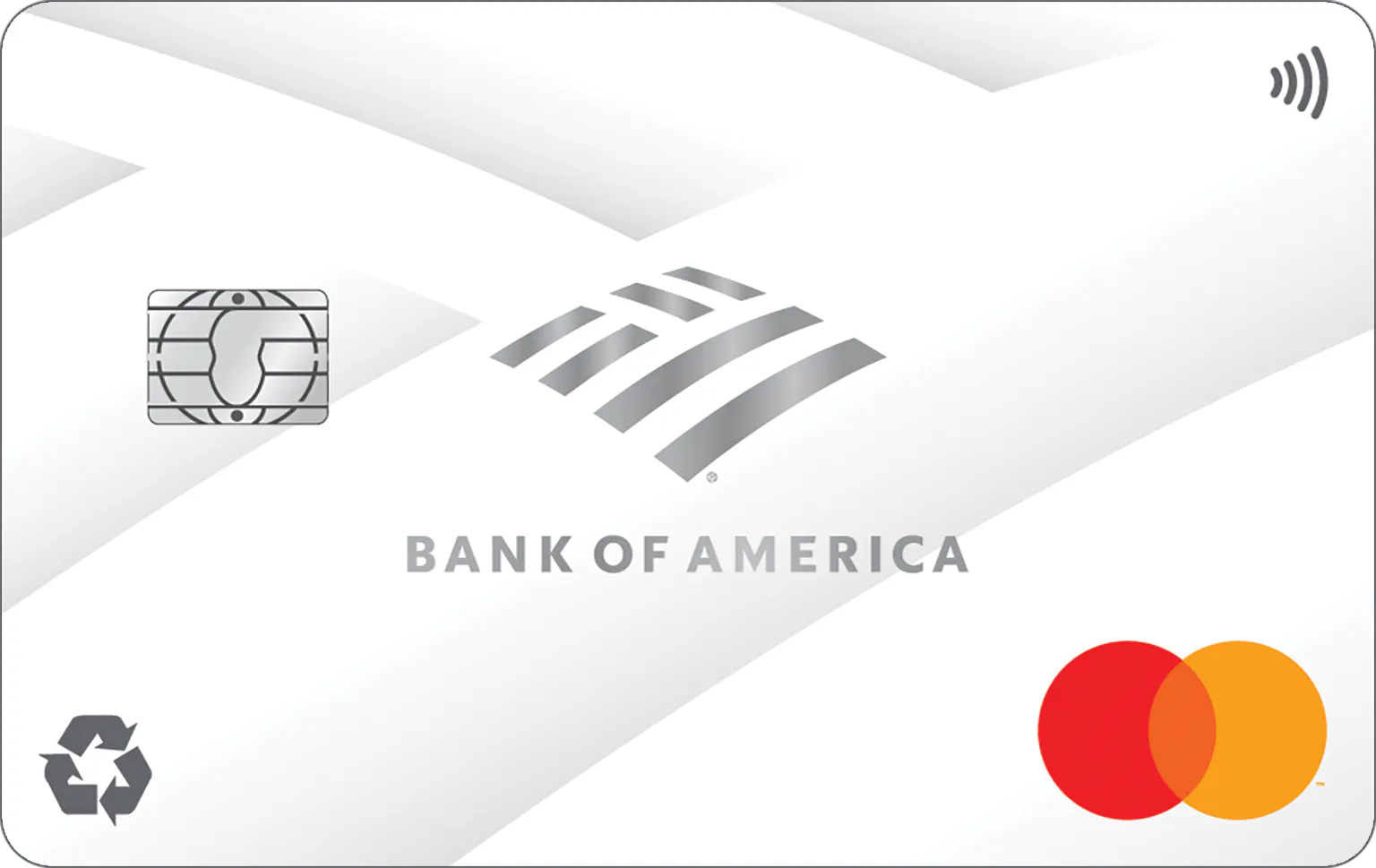
BankAmericard® credit card: Best for a long intro period
Here’s why: You’ll get 21 billing cycles to pay down debt and avoid interest on both new purchases and balance transfers.
The card gives you a 0% introductory APR for 21 billing cycles for both purchases and balance transfers. The intro APR applies to balance transfers made within the first 60 days of opening your account. Both APRs then rise to a variable 14.99% - 25.99%.
There’s a balance transfer fee of 5% of the amount of each transaction.
Learn more about BankAmericard® credit card.
Citi Simplicity® Card: Best for paying off debt
Here’s why: You’ll get 18 months from account opening to pay off your balance transfer debt at the introductory rate (you may see different offers on Credit Karma).
This card offers a 0% intro APR on purchases for the first 18 months from date of account opening (you may see different offers on Credit Karma). You’ll also get a 0% introductory APR for 18 months on balance transfers. Balance transfers must be completed within four months of account opening.
After the introductory periods end for both purchases and balance transfers, you’ll see a variable APR of 17.49% - 28.24%. But keep in mind that those higher APRs will start at different times, so you’ll need to keep an eye on each balance to avoid any confusion as you’re managing your debt. The card also has a balance transfer fee: Intro fee 3% of each transfer ($5 minimum) completed within the first 4 months of account opening. After that, 5% of each transfer ($5 minimum).
Read more about the Citi Simplicity® Card.
Chase Freedom Unlimited®: Best for ongoing cash back
Here’s why: You’ll earn cash back in multiple bonus categories, which gives this card excellent value after you take advantage of its intro APR offers.
First, you’ll get a 0% intro APR on both purchases and balance transfers for the first 15 months your account is open. After that, the APR for both rises to a variable 18.24% - 27.74% for each. There’s also a balance transfer fee: Either $5 or 3% of the amount of each transfer, whichever is greater in the first 60 days. 5% (minimum $5) thereafter.
For cash back, you’ll earn 5% back on travel purchased through Chase Travel℠, 3% at restaurants (including takeout and delivery), 3% back on drugstore purchases and 1.5% back on all other purchases.
Read more about the Chase Freedom Unlimited®.
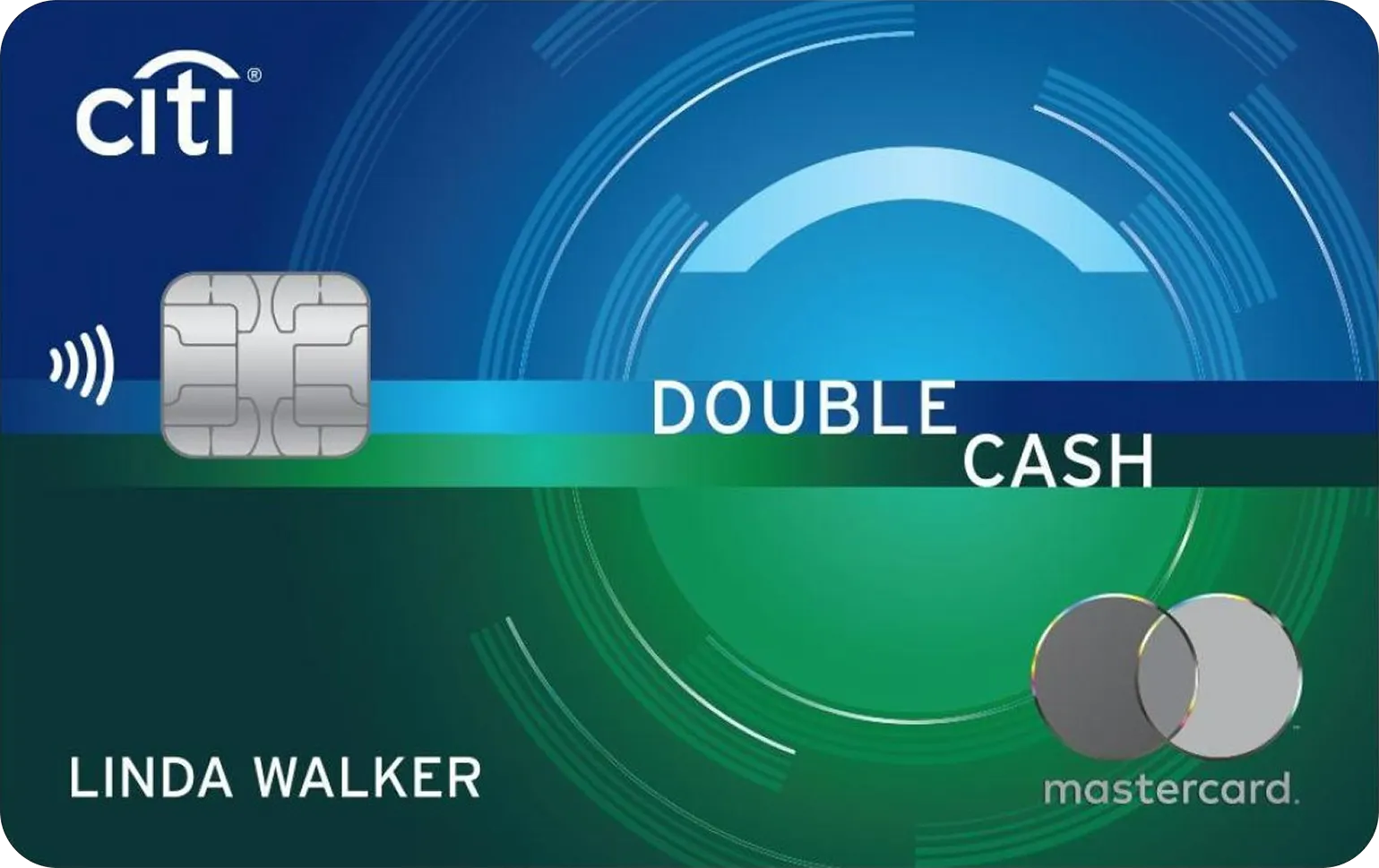
Citi Double Cash® Card: Best for simple cash back
Here’s why: If you want straightforward cash back to go with solid intro APR offers, this card has what you’re looking for.
This card doesn’t feature an intro offer for purchases, but you’ll get a 0% APR for 18 months after the date of your first transfer on balance transfers made in the first four months your account is open.
After the intro APR period ends, you’ll have a variable APR of 17.49% - 27.49%. There’s also a balance transfer fee: Intro fee 3% of each transfer ($5 minimum) completed within the first 4 months of account opening. After that, 5% of each transfer ($5 minimum).
You’ll also earn 2% cash back on all purchases (1% when you buy, and 1% when you pay your bill). But remember that there’s no APR offer on purchases, so you might want to wait to focus on rewards until you’ve paid off your debt.
Read more about the Citi Double Cash® Card.
How we picked these cards
When picking the best 0% APR cards, we tried to meet several different needs. There are different types of 0% APR offers, so we wanted to ensure that readers could select from intro offers on both purchases and balance transfers.
First, we focused on picking cards with 0% APR offers that last for at least 15 months. Managing debt can be a challenging process, and that minimum length provides more than a year to get a handle on it. We also only picked cards with no annual fee because we don’t think you should have to pay an upfront cost to manage your debt.
Not every card we recommend is great for both purchases and balance transfers. Some of our picks feature the same long intro period for both, but others have mismatched intro periods. In those cases, we made sure to indicate the best use for each card and what to watch out for when managing your different balances.
We also selected a few cards that provide cash back value because ongoing value can be a crucial factor in picking the right card for you even when managing debt is your focus.
Are there different types of 0% APR offers?
A credit card offer may boast a 0% intro APR, but that doesn’t mean the low rate applies to both purchases and balance transfers. It’s important to be clear on what kind of APR offer you’re getting before applying for the card.
A 0% introductory purchase APR means you won’t be charged interest on your purchases for a certain period of time as determined by the credit card company. In order to take advantage of this offer, you may need to make at least the minimum payments due on your statement.
For example, if you receive a 0% purchase APR offer for 12 months, you won’t be charged interest on purchases for the first year after your account opens. At the end of the 12-month intro period, any outstanding balance on your account would be subject to the regular purchase APR, and you’d be expected to pay the balance with interest.
A 0% introductory balance transfer APR offer means you’re not charged interest on a balance you transfer from another credit card. These offers often come with specific rules about when the balance transfer must be made to earn the 0% APR offer. Balance transfers come with plenty of other risks, too, so be sure to read the fine print before you apply.
To find the specific rates offered by the card you’re considering, check the terms and conditions listed on the credit card agreement. In the terms and conditions, you should see a summary of the costs of the credit card listed in a table format (also known as the Schumer box).
How much can you save with a 0% intro APR credit card?
The amount you can save with a 0% intro APR card depends on a few factors: Current interest rates, the length of the offer and your dedication to paying off your balance or purchases before the intro period ends. The actual amount you can save will be especially high when interest rates are high. But each person’s situation is different — get an estimate of what you could save by transferring a balance with our balance transfer calculator.
How do you know it’s a real 0% APR offer?
To determine if a card offers a 0% intro APR, you’ll need to scrutinize the fine print.
Even if a card offers a 0% intro APR, you may still have to pay interest on some balances. For example, if the 0% intro APR offer applies to balance transfers only, then any new purchases on your card may be charged interest unless you pay off your balance in full each month by the due date.
It’s also important to remember that a 0% APR offer is temporary. After the intro period ends, your remaining balance and any new purchases will be subjected to the regular APR. If your new APR is high, it could negate any savings you saw from transferring your balance or the relief you received from not paying interest on purchases.
You’ll also need to watch for penalty APRs, which are imposed if you’re late on your payments or exceed your credit limit. Penalty APRs can be significantly higher than the regular APR. In fact, a penalty APR can be as high as 29.99%.
In addition to paying the penalty APR, paying late may cause you to lose your introductory APR offer entirely. In that case, you might end up paying even more interest on the balance than you did before you made the transfer.
How to choose a 0% intro APR credit card
Choosing a credit card is personal. If you already know you want a card with an intro period, the following factors are good to consider when shopping for a new card:
- Decide whether you want to pay off a balance or save on interest to pay off a large purchase over time. This will help you choose which type of 0% intro APR card you want. Some cards have offers for both purchases and balance transfers, but if you’re paying off a balance it’s often best to focus on making consistent payments before making new purchases.
- Look for cards with long intro periods. Even if you’re sure you’ll pay off a balance within a year, it doesn’t hurt to have a few extra months of leeway should something unexpected come up.
- Research balance transfer fees. If you want to transfer a balance to a card that has a balance transfer fee higher than 3% to 5%, it may not be worth it, even for a long intro period.
- Consider the ongoing rewards or perks of the card. Will you want to continue using the card after you’ve paid off your balance or purchase? Some intro APR cards come with rewards or other benefits that may be useful in the future. But it might be best to focus on the debt you’re paying rather than how you’ll use the card in the future.
When should you apply for a 0% APR offer credit card?
There are a few scenarios when you may want to get a 0% intro APR card, but there are two primary ones — paying down existing debt and financing new purchases.
You want to pay down high-interest credit card debt
High-interest balances can be difficult to pay down, but a 0% balance transfer credit card could help ease the burden. This type of card can help you focus on paying off your debt as quickly as possible, ideally during the introductory period.
Keep in mind that some cards will require you to request a balance transfer within a certain time frame of account opening, so check to see if this is the case.
One more thing to note: Balance transfers are typically subject to a fee — often between 3% and 5% of the balance (with a relatively low minimum fee).
You want to pay off a large purchase
Whether you’re saving for a vacation or a major appliance, or you get struck with an unexpected emergency, a credit card with a 0% intro purchase APR can be a handy tool.
Using this credit card can help ease the burden of paying a large amount at once. Instead, you can parcel out your payments throughout the introductory period without having to pay any interest.
But this option might only work to your advantage if you pay off the full balance (or most of it) before the introductory offer ends. Otherwise, you’ll have to start paying interest on the remaining balance moving forward. To avoid this scenario, try to make a plan to pay off the card before the introductory offer is over. Our balance transfer calculator can help.
Keep in mind that there is a chance you may get denied when applying for a new credit card. Also, if you apply to a card, you will have a hard inquiry on your credit reports. Too many of these within a short time frame could temporarily lower your credit scores.