




Whether you’re searching for your first card, trying to build your credit or simply looking for your next card, there a lot of available credit cards that may fit your needs. Here are our picks for the best credit cards for young adults.
- Best for no-hassle cash back: Wells Fargo Active Cash® Card
- Best for rotating categories: Chase Freedom Flex®
- Best for travel: Chase Sapphire Preferred® Card
- Best for travel with no annual fee: Bank of America® Travel Rewards credit card
- Best unsecured card for building credit: Capital One Platinum Credit Card
- Best secured card: Capital One Platinum Secured Credit Card
- How to make the most of credit cards for young adults
- How we picked these cards
- FAQs about credit cards for young adults
Best for no-hassle cash back: Wells Fargo Active Cash® Card
Here’s why: If you’re looking for a card where you earn flat-rate cash back every time you swipe your card, the Wells Fargo Active Cash® Card is a great option. You’ll get 2% cash back on every purchase, making it easy to earn rewards. Plus, there isn’t an annual fee to eat into your rewards.
Learn more about the Wells Fargo Active Cash® Card.
Best for rotating categories: Chase Freedom Flex®
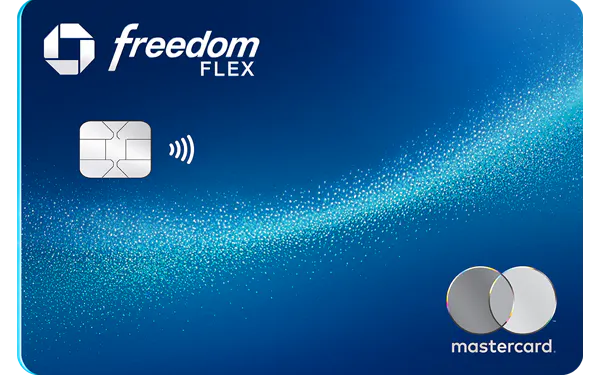
Here’s why: Chase Freedom Flex® offers 5% cash back on up to $1,500 in combined purchases in quarterly rotating categories. The card also offers 3% back on dining and drugstore purchases. You’ll earn 1% back on purchases outside of the bonus categories.
The high cash back rate sounds great — just make sure you’re willing to put in the effort. Categories can range from restaurants to certain online retailers. You’ll have to activate the rewards rate each quarter to earn the boosted cash back.
Learn more about Chase Freedom Flex®.
Best for travel: Chase Sapphire Preferred® Card

Here’s why: If you’re looking for a good travel card without a high annual fee, the Chase Sapphire Preferred® Card is a great option. You’ll earn 75,000 bonus points after you spend $5,000 on purchases in the first 3 months from account opening. The Chase Sapphire Preferred® Card also allows you to transfer your points to Chase’s partner airline and hotel loyalty programs. Plus, you’ll get a $100 annual hotel credit for hotel stays purchased through Chase Travel. The card comes with a $95 annual fee.
Learn more about the Chase Sapphire Preferred® Card.
Best for travel with no annual fee: Bank of America® Travel Rewards credit card
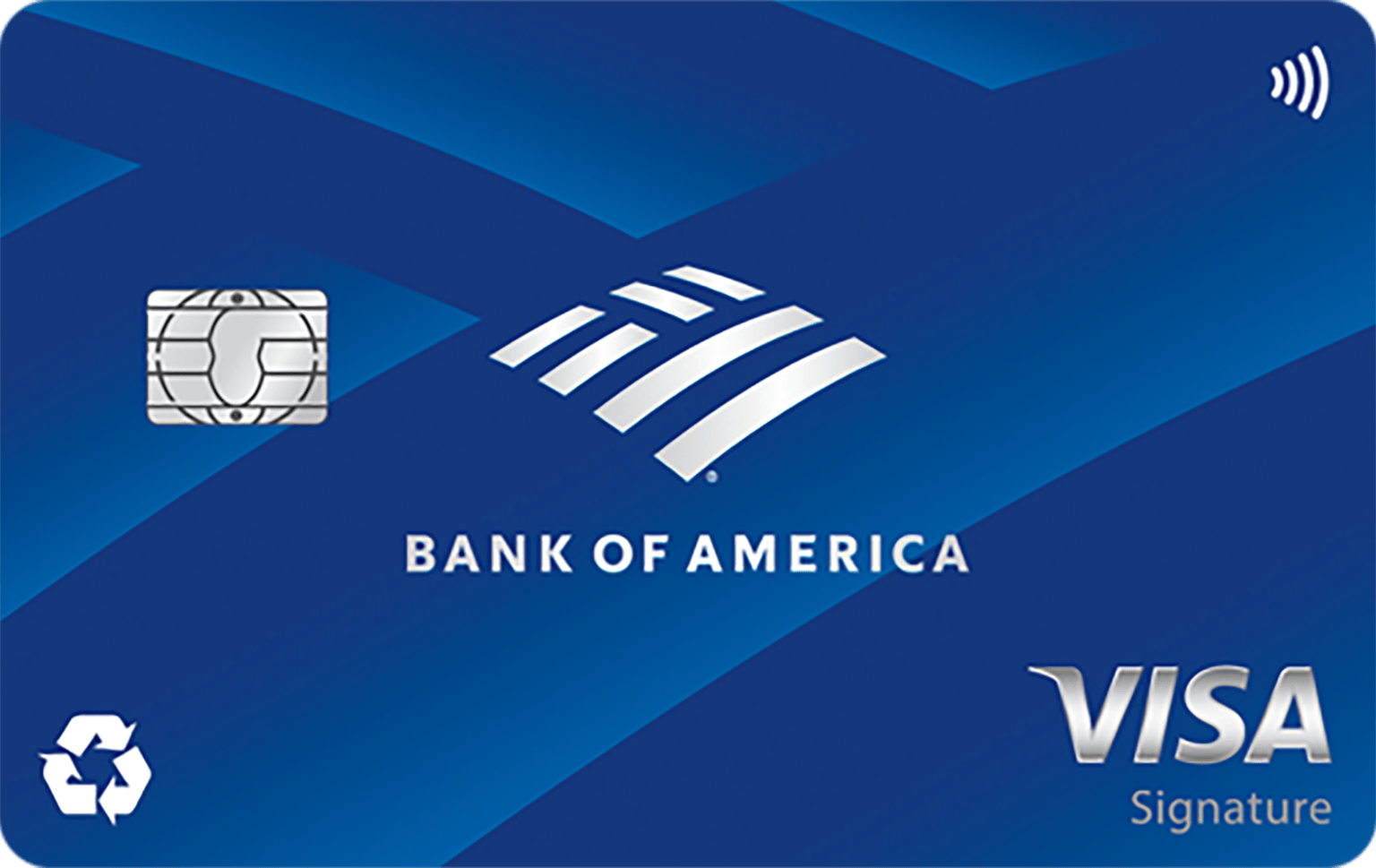
Here’s why: If you want a travel card for the occasional vacation or trip abroad, the Bank of America® Travel Rewards credit card may be a good fit. It charges no annual or foreign transaction fees. You’ll earn 1.5 points per $1 spent on all purchases, and you can redeem your points for statement credits to pay for travel or dining purchases.
Learn more about the Bank of America® Travel Rewards credit card.
Best unsecured card for building credit: Capital One Platinum Credit Card

Here’s why: The Capital One Platinum Credit Card is available to people with limited credit history. There isn’t a security deposit required, and you’ll be automatically considered for a higher credit limit in as little as six months. It does have a high purchase APR, so be sure to pay off your credit card each month to avoid it.
Learn more about the Capital One Platinum Credit Card.
Best secured card: Capital One Platinum Secured Credit Card

Here’s why: The Capital One Platinum Secured Credit Card requires a refundable security deposit of as low as $49 (for a $200 credit limit). Many other secured credit cards require a higher minimum security deposit, so this is an especially good option if you don’t have a lot of cash on hand. If you must make a larger deposit of $99 or $200 but aren’t ready to deposit that much cash, you can pay it over time.
The card also offers the opportunity to graduate to an unsecured credit card — and get your initial deposit back — after making on-time payments.
Learn more about the Capital One Platinum Secured Credit Card.
How to make the most of credit cards for young adults
One of the most important parts of having a credit card is making your payments on time every month. If you’re trying to build your credit up, even one late payment can hurt your credit scores and stay on your credit reports for up to seven years.
While credit cards can be a great financial tool, they also typically come with high interest rates. If you carry a balance from month to month, the interest charges can add up. The best course of action is to pay your credit card in full (rather than just making the minimum payment) and on time every month. That way you won’t accrue interest or debt that may be hard to pay off.
Credit cards also come with extra features that you won’t find when you use cash or debit cards. Check if your card offers features like purchase protection or travel insurance. If you have a credit card with rewards, you should try to use it for purchases you make in that rewards category to maximize your card benefits. Keep in mind that you shouldn’t purchase more than you can afford simply because you’ll earn rewards. If you can’t make your payment, the interest rate you’ll be charged will quickly negate any rewards you may earn.
How we picked these cards
As we researched the best credit cards for young adults, we looked at features like fees, rewards and incentives that would be most beneficial to young adults. Since young adults can be at such different stages in their financial journey, we made sure to select cards that would be well suited for various credit situations. We also focused on cards that offered rewards and benefits without especially high annual fees.
We also focused more on unsecured credit cards, which don’t require you to put down a security deposit in order to qualify. We still listed a secured card for people who are having a hard time getting an unsecured card, and we chose that one in particular because of its ability to graduate into an unsecured card.
FAQs about credit cards for young adults
The best credit card for a beginner is one that has reasonable rates, likely approval odds and will allow you to build your credit from scratch over time. If you’re a student, then a student credit card is likely to offer the best pathway. Otherwise, you may want to consider a secured credit card or another beginner-friendly card with a low annual fee.
Having a credit card can help you build credit, earn cash back or rewards, and potentially protect yourself from fraud. But you can build your credit in other ways if you’re not comfortable with a credit card. For example, a credit-builder loan is one option for building up a thin credit file. Consider all of your options carefully when deciding whether a credit card is the right choice for you.
Depending on the issuer, you must be either 21 or 18 years old to apply for a credit card on your own.
There’s no specific limit for the number of cards you can have, but it’s good to keep in mind that new card applications can hurt your credit. Additionally, with fewer cards it’ll be easier to manage things like spending, fees and payments across cards.
*Approval Odds are not a guarantee of approval. Credit Karma determines Approval Odds by comparing your credit profile to other Credit Karma members who were approved for the card shown, or whether you meet certain criteria determined by the lender. Of course, there’s no such thing as a sure thing, but knowing your Approval Odds may help you narrow down your choices. For example, you may not be approved because you don’t meet the lender’s “ability to pay standard” after they verify your income and employment; or, you already have the maximum number of accounts with that specific lender.